
Understanding the Animation Debate
One of the most common questions in the animation industry is: Which is better, 2D or 3D animation?
The truth is that neither style is inherently better than the other. Both have unique strengths and are used to achieve different creative goals. The best choice often depends on the story being told, the audience being targeted, and the resources available.
Whether you’re creating a cartoon series, an animated advertisement, an educational video, or a feature film, understanding the differences between 2D and 3D animation can help you make the right decision.
What Is 2D Animation?
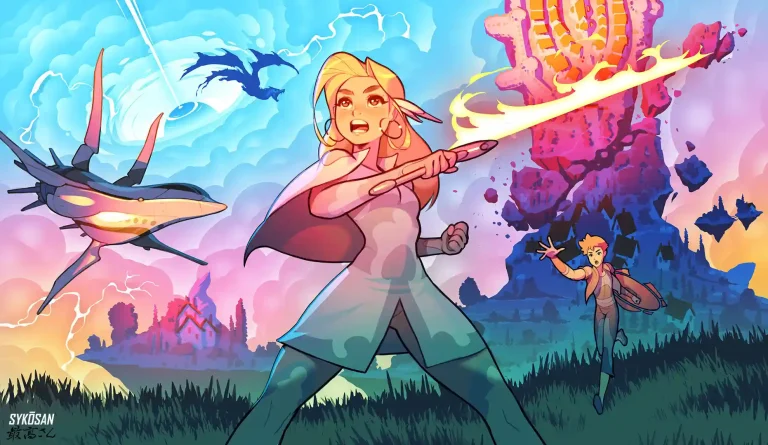
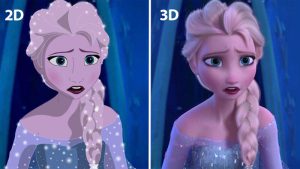
2D animation involves creating movement in a two-dimensional space. Characters, objects, and environments are designed with height and width, giving them a flat appearance.
Traditional hand-drawn cartoons, modern vector-based animations, and many explainer videos fall into this category.
Popular examples include:
- The Lion King (1994)
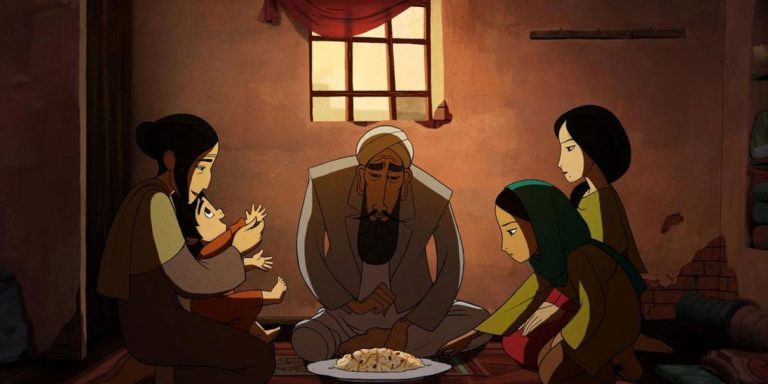
- The Breadwinner
- Samurai Jack
- Many television cartoons and web animations
2D animation is known for its artistic flexibility and expressive visual styles.
What Is 3D Animation?
3D animation creates characters and objects within a three-dimensional digital environment. These models have depth, allowing them to be viewed from multiple angles.
Animators build digital models, rig them with virtual skeletons, and animate them within a 3D space.
Popular examples include:
- Toy Story
- Frozen
- Moana
- How to Train Your Dragon
3D animation is often associated with realism, dynamic camera movements, and immersive worlds.
The Strengths of 2D Animation
Unique Artistic Style
2D animation allows artists to create highly stylized visuals that stand out from the crowd. Every frame can have its own artistic personality.
Faster for Certain Projects
For explainer videos, educational content, and short advertisements, 2D animation can often be produced more efficiently than complex 3D productions.
Strong Emotional Expression
Many artists believe that 2D animation excels at exaggeration and expressive character performances, making emotions feel more impactful.
Lower Technical Requirements
2D projects generally require less powerful hardware compared to large-scale 3D productions.
The Strengths of 3D Animation
Greater Depth and Realism
3D animation can create realistic environments, lighting, and movement that feel immersive and cinematic.
Flexible Camera Movement
Since scenes exist in a three-dimensional space, cameras can move freely around characters and environments.
Reusable Assets
Once a 3D character or environment is created, it can often be reused throughout a project, saving time during production.
Strong Demand in Multiple Industries
Beyond entertainment, 3D animation is widely used in gaming, architecture, product visualization, engineering, and virtual reality.
Which Is More Expensive?
Many people assume that 3D animation is always more expensive.
While large-scale 3D productions can require significant resources, the reality is more nuanced. The cost depends on factors such as project length, character complexity, visual quality, and production timelines.
A simple 3D animation may cost less than a highly detailed frame-by-frame 2D production.
The real question isn’t which is cheaper—it’s which style best serves the project’s goals.
Which One Is Better for Businesses?
For marketing and business communication, both styles can be effective.
Choose 2D Animation If:
- You want a friendly and approachable visual style.
- You need explainer videos.
- You have a limited budget.
- Your message needs to be communicated quickly and clearly.
Choose 3D Animation If:
- You want realistic product demonstrations.
- You need architectural or technical visualization.
- You want a premium cinematic look.
- Your project requires realistic environments and movement.
The Future Is Hybrid
Interestingly, many modern productions no longer choose one style over the other.
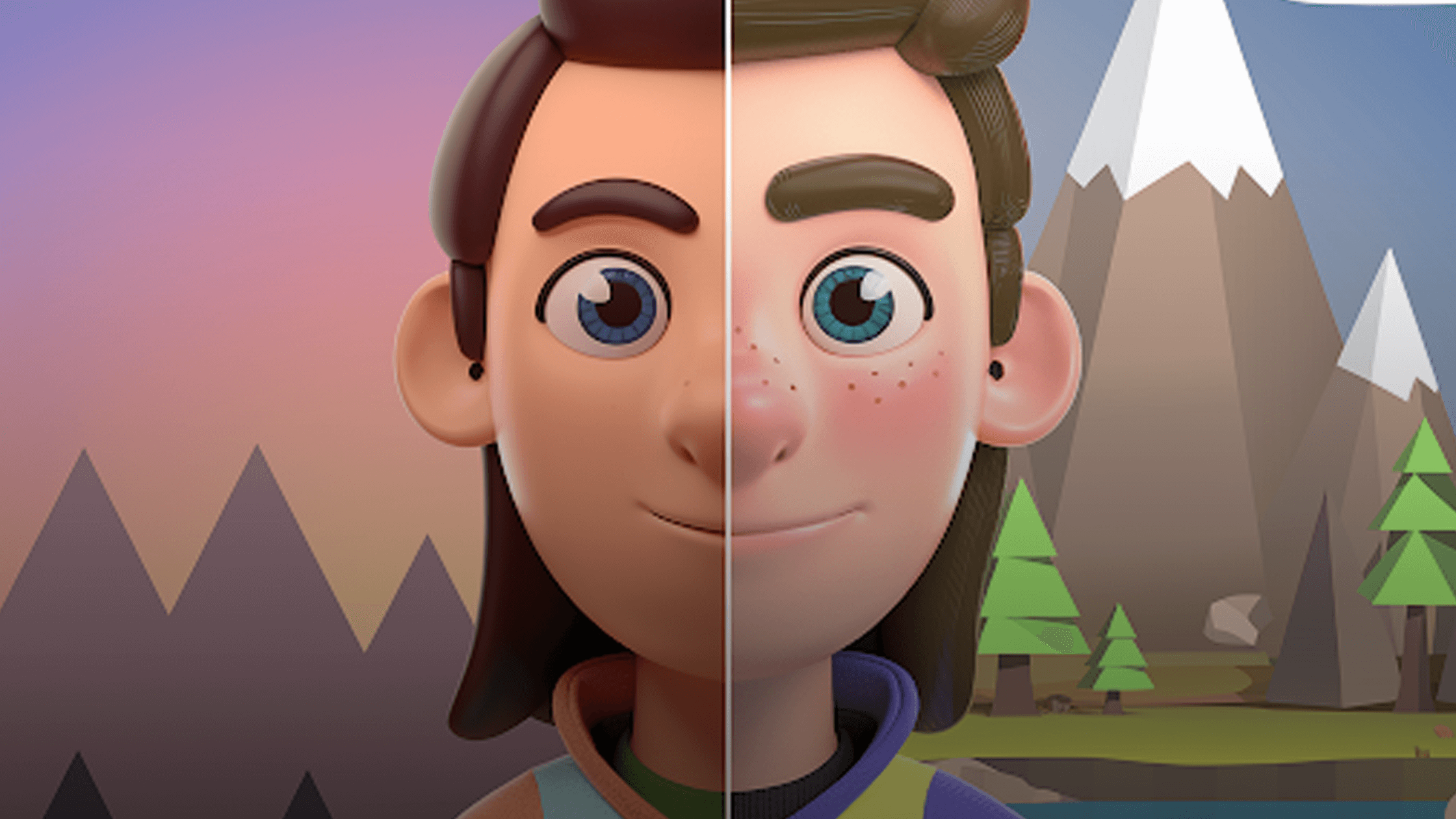
Studios increasingly combine 2D and 3D techniques to create unique visual experiences. Some projects use 3D models with hand-drawn textures, while others integrate 2D effects into 3D environments.
This hybrid approach allows creators to enjoy the strengths of both worlds.
Final Thoughts
The debate between 2D and 3D animation isn’t about which one wins. It’s about choosing the right tool for the story you want to tell.
Both styles have produced unforgettable films, beloved characters, and successful marketing campaigns. The most important factor is not the technology itself but the creativity, storytelling, and passion behind the project.
Great animation isn’t defined by dimensions—it’s defined by the impact it leaves on its audience.
Bring Your Ideas to Life with Raindrops Studios
At Raindrops Studios, we help brands, organizations, and storytellers create engaging animated content that captures attention and inspires action. Whether your project calls for 2D animation, 3D animation, or a combination of both, our team is ready to transform your vision into reality.
Get in touch today and let’s create something extraordinary together.